
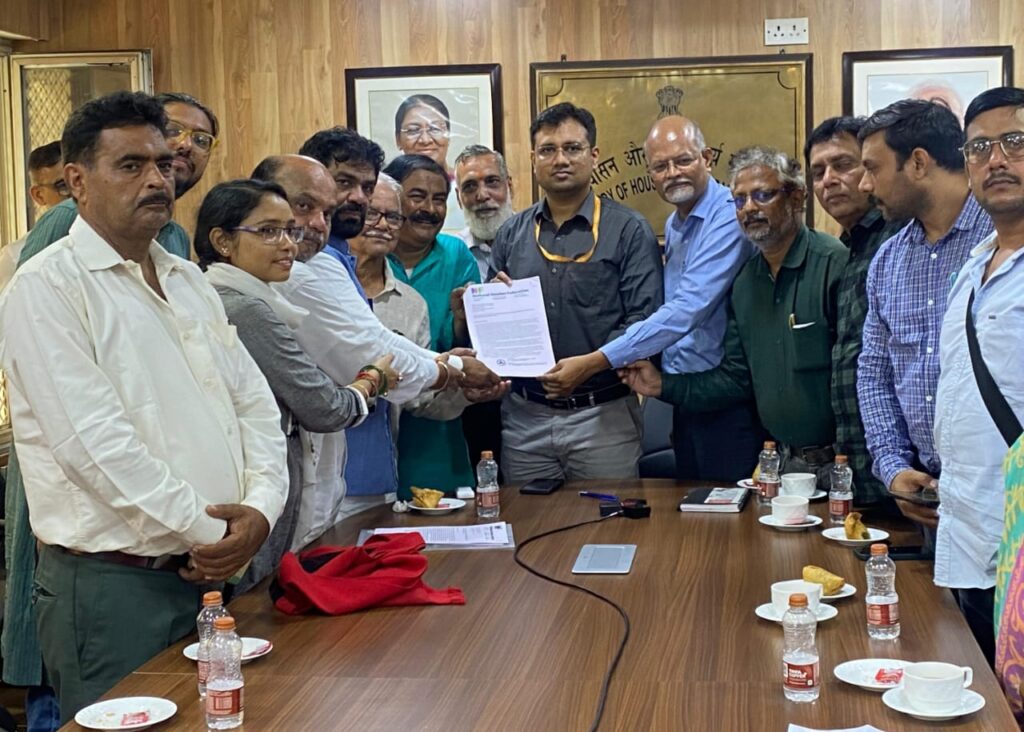
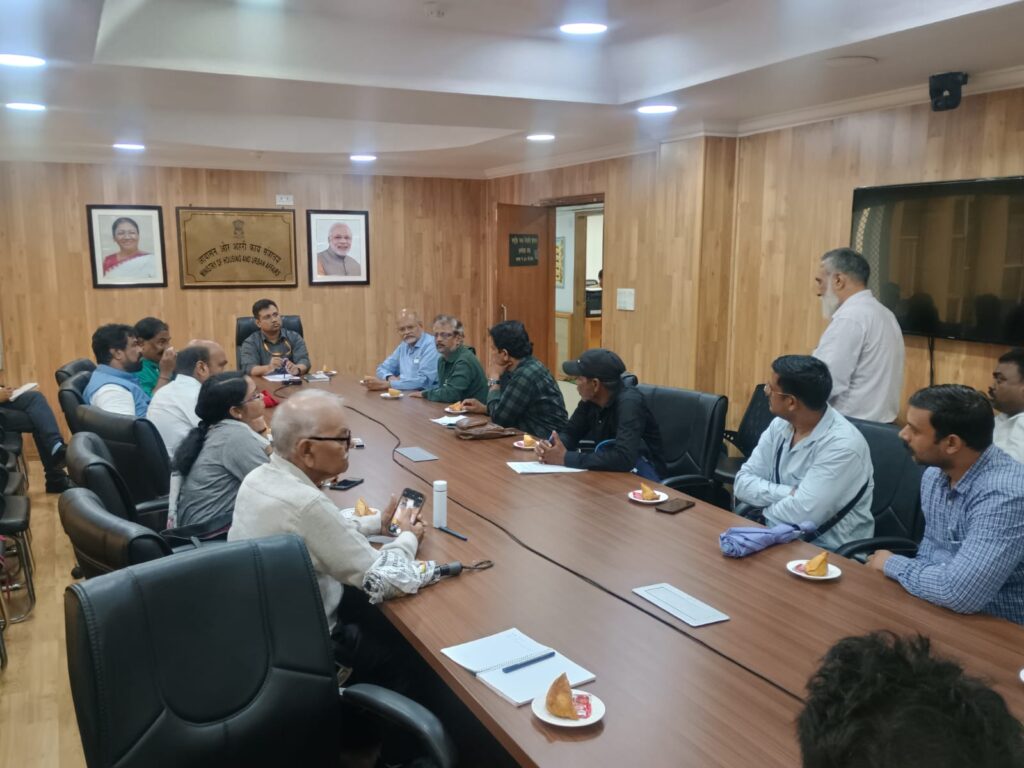
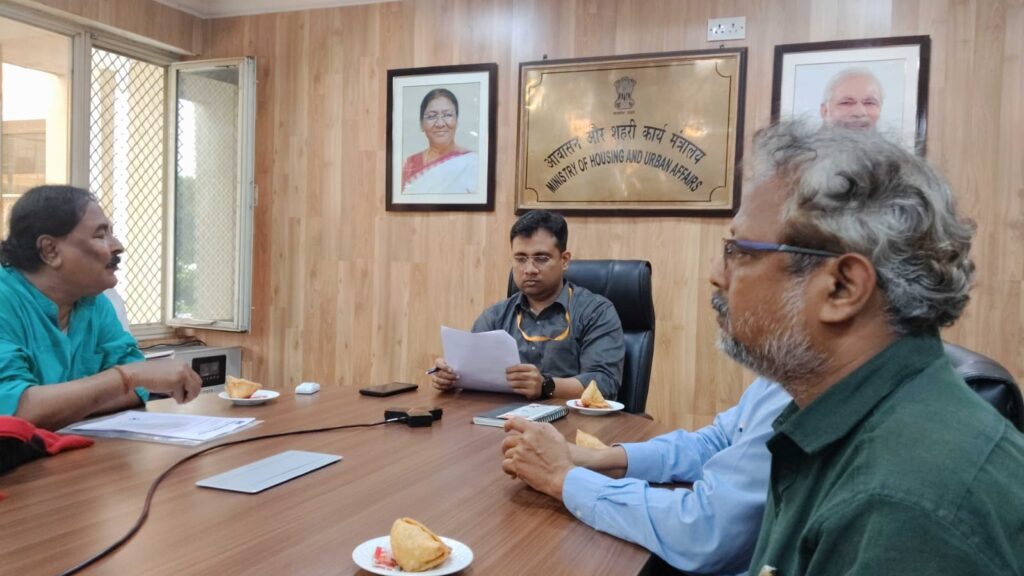
In a significant move to fortify the rights and protections of India’s urban street vendors, the National Hawkers Federation (NHF) has formally submitted a comprehensive set of recommendations to the Ministry of Housing and Urban Affairs. The ten-point submission focuses on amplifying the effectiveness of the Street Vendors (Protection of Livelihood and Regulation of Street Vending) Act, 2014—a legislation the NHF itself helped champion.
Representing lakhs of vendors across 28 states, the NHF has positioned its recommendations as additive and clarificatory, explicitly advocating that the core protections of the Act must remain untouched. The proposed enhancements aim to address critical gaps in implementation and extend the law’s reach to vulnerable and excluded groups.
Key Recommendations Focus on Inclusion and Governance
The federation’s submission targets several systemic gaps:
· Jurisdictional Expansion: A primary demand is to bring over 80 lakh vendors operating on Indian Railways lands, along with those in areas controlled by entities like Port Authorities and Metro Corporations, under the Act’s unambiguous protection.
· Institutional Reform: The NHF calls for clearer protocols for forming Town Vending Committees (TVCs) and proposes a major overhaul of the Grievance Redressal Committee. To ensure neutrality, it recommends removing Urban Local Body commissioners from the committee and including independent experts.
· Equity and Resilience: The recommendations highlight the need for dedicated provisions for women vendors and novel mandates for climate adaptation in vending zones, recognizing increasing urban climate risks.
· Sustainable Integration: The NHF urges that street vending be formally integrated into city master plans and calls for mandated budgetary allocations by urban local bodies for vendor welfare and infrastructure.
A Caution on Data and a Vision for the Future
Notably, the federation advised caution in using data from the central PM SVANidhi loan scheme for official vendor surveys or TVC elections, citing potential inaccuracies in beneficiary identification. Overall, the submission reframes street vendors not as a temporary urban challenge but as a permanent, planned component of the city economy deserving of legal security and social protection.
The NHF has expressed its readiness to engage in further technical discussions and drafting processes, marking a shift from grassroots protest to expert stakeholder advocacy in the ongoing effort to secure dignified livelihoods for India’s urban street vendors.
Recent Comments